We use some essential cookies to make this website work. We’d like to set additional cookies to understand how you use avonfire.gov.uk, remember your settings and improve our services. We also use cookies set by other sites to help us deliver content from their services.
As the cost of living continues to challenge households across the county, more residents are turning to cheaper ways to stay warm. Many are heating individual rooms, relying on older appliances, or using portable devices to cut down on bills. While these choices may feel practical and affordable, they can significantly increase the risk of fire, especially in the bedroom.
Since October 2024, Avon Fire and Rescue service has responded to 36 accidental house fires that began in bedrooms. This rising trend has made bedrooms a major area of concern. They are private, often crowded with belongings, and filled with the very items people use most to stay warm, such as electric blankets, portable heaters and phone chargers. Making it even more dangerous is that bedroom fires often start during the night, when residents are asleep and far less able to react quickly.
Heating a bedroom
Bedrooms have become the centre of alternative heating methods as people look for inexpensive ways to keep warm. Individuals may close themselves off to heat only one room, rely on plug-in heaters near bedding, or keep devices running overnight to maintain warmth. Unfortunately, these strategies, while understandable, can increase the potential for electrical faults, overheating, and accidental ignition of fabrics or furniture.
Practical and safe heating choices
You can stay warm affordably without putting yourself or your home at risk. Simple, practical heating methods, when used correctly can keep your bedroom cosy and safe:
Electric heaters should be placed on stable surfaces, kept away from curtains and bedding, and never left unattended.
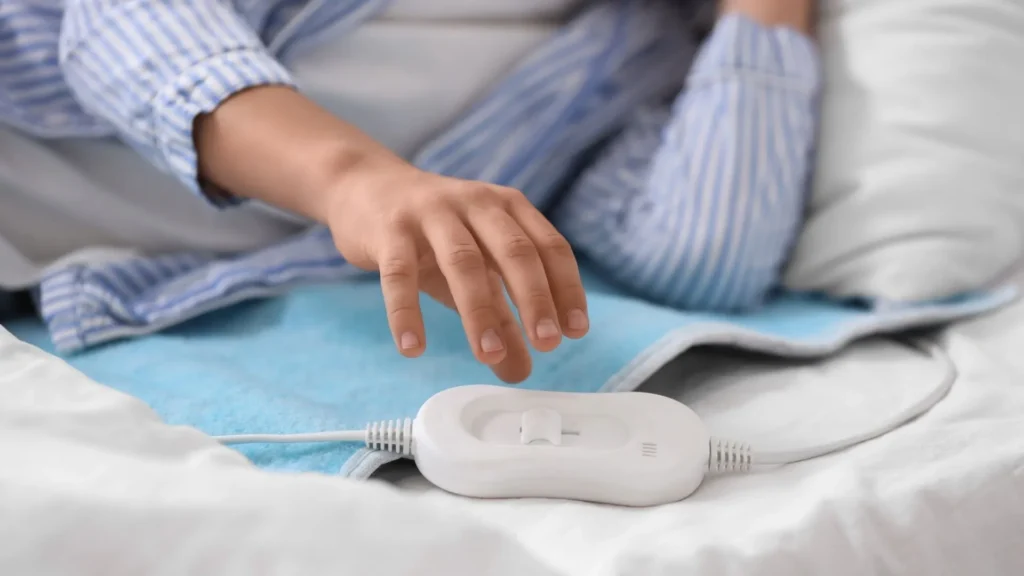
Electric blankets are safe when in good condition, used according to instructions, and switched off when not in use.
Hot water bottles and wheat bags provide low-cost warmth but should be checked for damage and used carefully to avoid burns.
Log burners and open fires give cozy heat, but keep flammable items away, use guards, and never leave fires unattended.
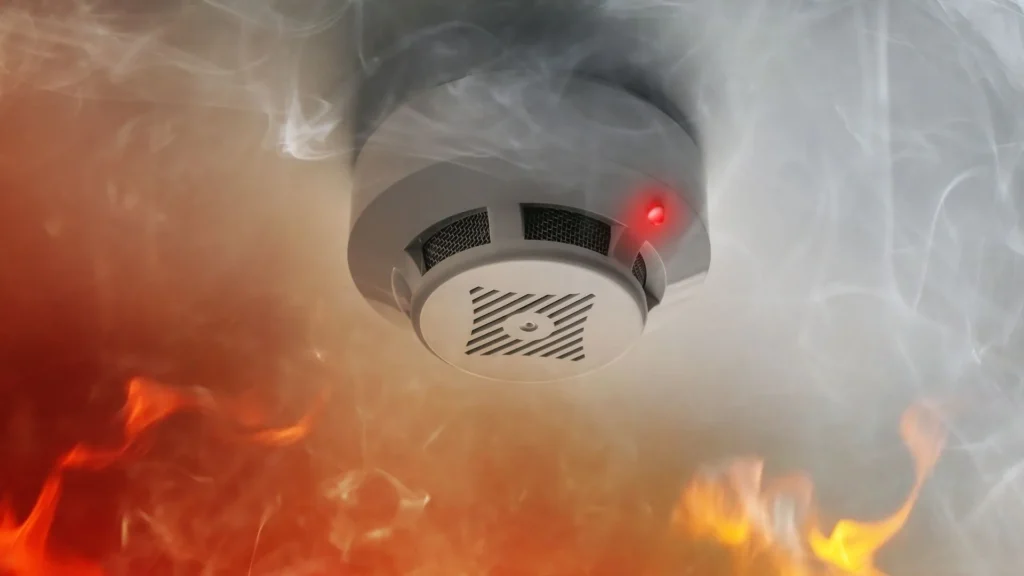
Make sure your home has a functioning COâ‚‚ alarm and test it frequently, as it provides a vital early warning of dangerous carbon monoxide levels, helping to protect you, your family, and your home from harm. Follow the link to find out more.
Electrical fire risks in the bedroom
Bedrooms need extra care to reduce fire risk. Following these simple precautions can make a big difference:
Electrical appliances are essential, but they can pose serious fire risks if used incorrectly.
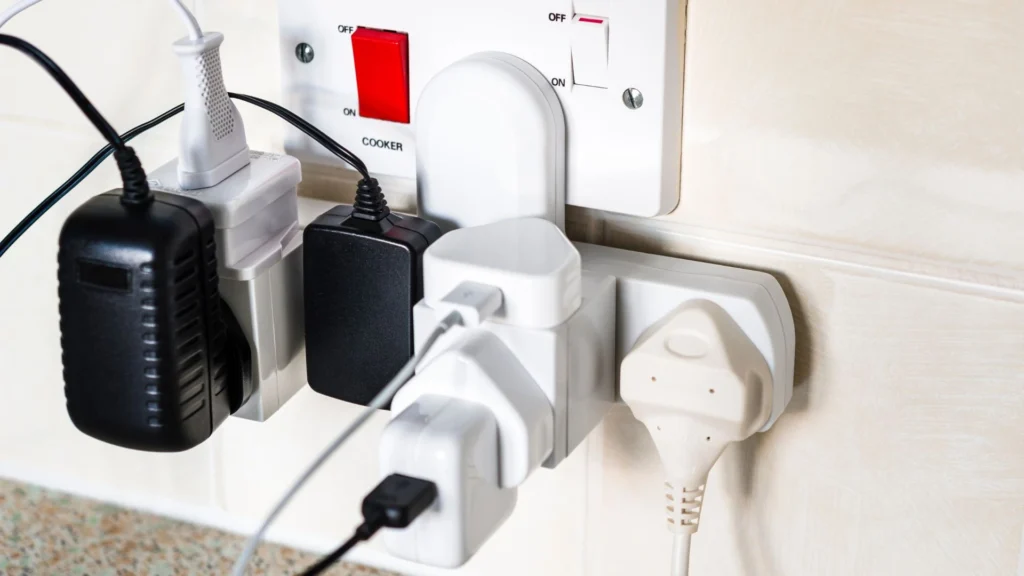
Overloaded sockets and trailing extensionleads can overheat and spark, so avoid plugging too many devices into one socket.
Charging devices overnight, including phones, vapes, and power banks, increases risk, especially if left unattended on beds or soft furnishings.
Larger appliances and white goods should be regularly checked, maintained, and registered when possible, to ensure they are safe to use.
Small adjustments like these help you enjoy a warm, comfortable bedroom without increasing the risk of fire.
Did you know that registering your appliances can help prevent accidents and ensure they stay in good working order? By signing up, you’ll receive important safety updates and recall information, helping you use your appliances safely and confidently. Register your devices for free here.
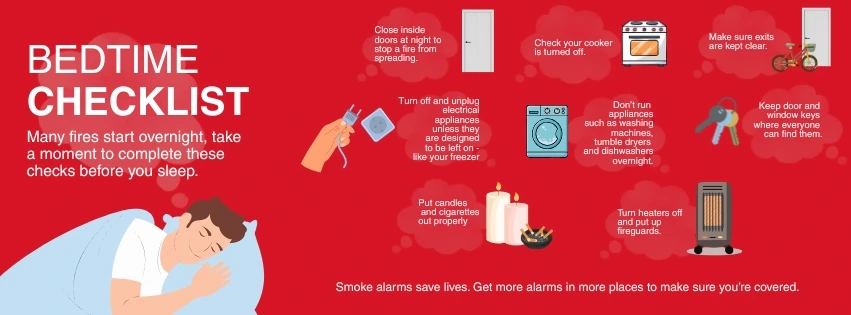
Bedtime Fire Safety Checklist
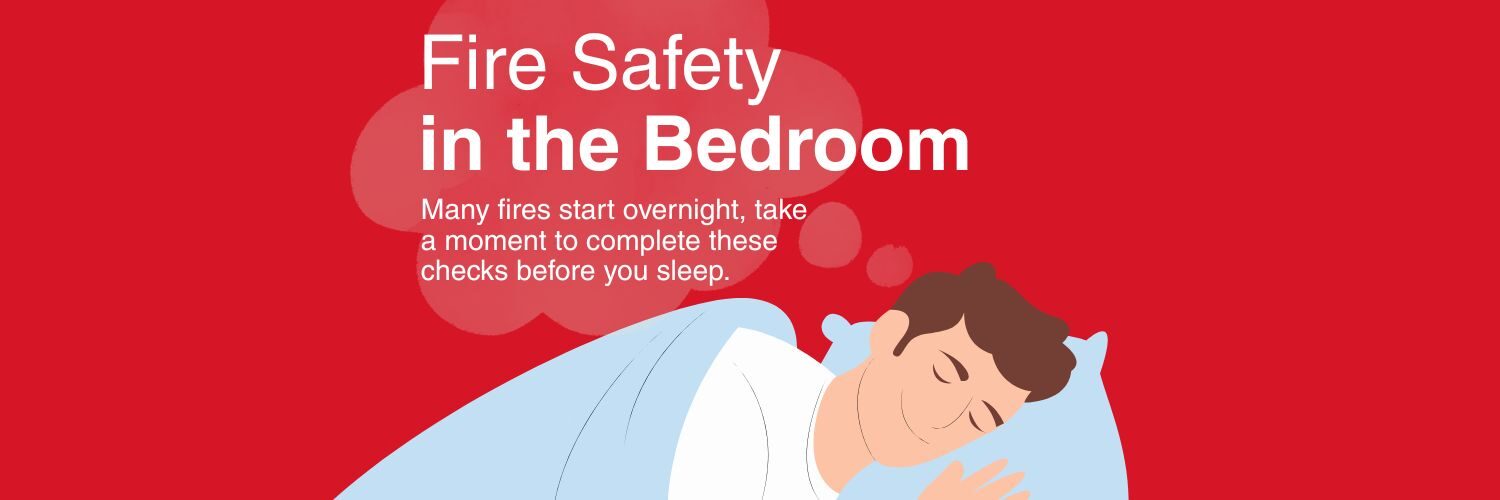
Many fires start overnight. Take a few minutes before bed to complete these checks:
Close all inside doors – slows the spread of fire.
Turn off and unplug electrical appliances unless they’re designed to be left on (e.g., freezers).
Extinguish candles and cigarettes completely.
Check your cooker is turned off.
Avoid running appliances overnight such as washing machines, tumble dryers, and dishwashers.
Turn off heaters and use fireguards where needed.
Keep exits clear and ensure door and window keys are accessible to everyone.
A few minutes tonight can make a huge difference to your safety.
How fire-safe is your home? Take our free Home Fire Safety Check to find out. It only takes a few minutes and will highlight potential risks while giving you clear, practical advice to reduce fire hazards. Learn how to protect your family, stay safe, and make simple changes that could prevent accidents. Test your home’s safety now.